Buy zstream.eu ?
We are moving the project
zstream.eu .
Are you interested in purchasing the domain
zstream.eu ?
domain@kv-gmbh.de · 0541-91531010
Buy zstream.eu ?
Can one live alone beyond any civilization?
Living alone beyond any civilization is possible, but it would be extremely challenging. One would need to possess a high level of self-sufficiency, survival skills, and mental fortitude to thrive in such an environment. Access to resources such as food, water, and shelter would be limited, and the lack of human contact could have significant psychological effects. Overall, while it is technically possible to live alone beyond civilization, it would be a harsh and isolating existence. **
Is it possible to live alone beyond any civilization?
Yes, it is possible to live alone beyond any civilization, but it would be extremely challenging. Surviving in such a remote and isolated environment would require a high level of self-sufficiency, survival skills, and mental fortitude. Access to food, water, shelter, and protection from the elements would be crucial for long-term survival. Additionally, the lack of social interaction and support could have significant psychological impacts on an individual living in complete isolation. **


Similar search terms for Era Civilization
Top-Angebote
Products related to Era Civilization:
-
ERA 209072A AlternatorVoltage [V]: 14; Alternator Charging Current [A]: 155; Plug Type ID: B+LDF; Belt Pulley Ø [mm]: 58; Pulleys: with V-ribbed belt pulley; Rotation Direction: Clockwise rotation; Number of mounting bores: 2; Number of grooves: 6; Distance from belt pulley to alternator [mm]: 47542,99 £*Shipping: 1,99 £Secure redirect to the provider
-
ERA 209588 AlternatorVoltage [V]: 14; Alternator Charging Current [A]: 165; Plug Type ID: B+COM; Belt Pulley Ø [mm]: 54; Pulleys: with freewheel belt pulley; Rotation Direction: Clockwise rotation; Number of mounting bores: 3; Number of grooves: 6; article number of recommended accessories: ZN5807; Distance from belt pulley to alternator [mm]: 582282,00 £*Shipping: 1,99 £Secure redirect to the provider
-
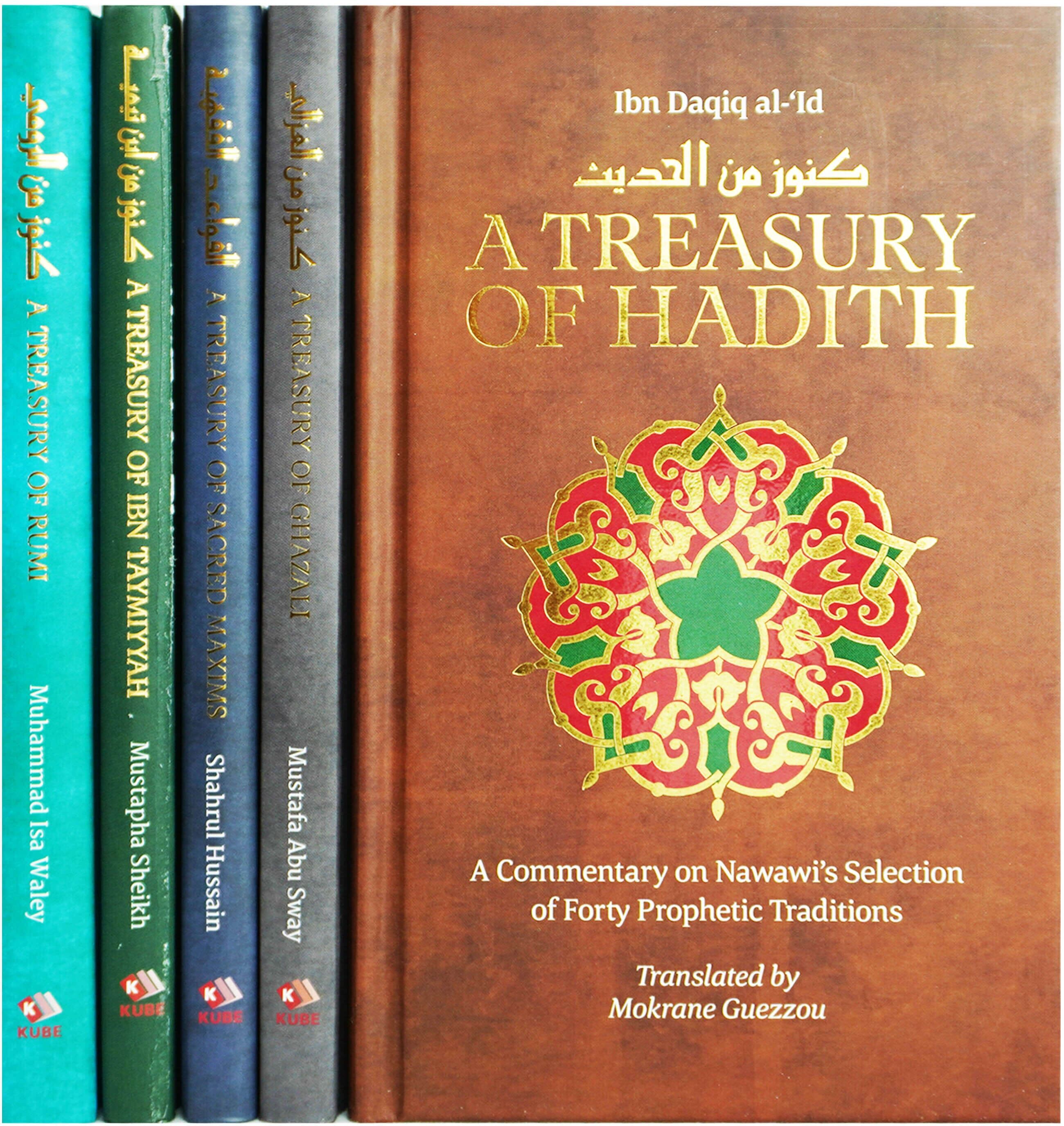
Treasury in Islamic Thought and Civilization Collection 5 Books Set - Non Fiction - Hardback Kube PublishingTreasury in Islamic Thought and Civilization: A 5-Book Masterclass in Wisdom To understand the present, we must first master the echoes of the past. The Treasury in Islamic Thought and Civilization Collection is a prestigious 5-book hardback set published by Kube Publishing. This collection serves as a definitive gateway into the minds of history’s most influential Islamic scholars, poets, and theologians. By blending classical wisdom with modern commentary, these volumes offer a deep, accessible dive into the legal, ethical, and spiritual pillars of Islamic civilization. At Books2Door, we know that building a non-fiction hardback library is about more than just decoration; it’s about securing the best of human thought for your personal study. This set provides an unparalleled intellectual roadmap for students, scholars, and curious readers alike. 1. The Titles: Five Pillars of Intellectual Heritage Each book in this "Treasury" series focuses on a different facet of Islamic tradition, providing a concise yet comprehensive introduction to a master of the craft. A Treasury of Hadith: A classical commentary on Imam Nawawi’s famous "Forty Hadith." This volume serves as an authoritative introduction to the axial principles and teachings of the entire Islamic faith. A Treasury of Ghazali: Explore the works of Abu Hamid Al-Ghazali, often described as the greatest Muslim in history. This treasury distills his mastery of law, theology, and spirituality into a volume that continues to influence modern thought. A Treasury of Ibn Taymiyyah: A look at the "Damascene Polymath," known for his intellectual brilliance and original interpretations. This book offers insights into his views on worship, reason, and revelation. A Treasury of Sacred Maxims: Authored by Dr. Shahrul Hussain, this volume helps readers navigate the legal and ethical dimensions of the Shariah through its core principles and maxims. A Treasury of Rumi: A fresh anthology of the great mystic’s teachings, supplemented with commentary and original Persian texts to bring readers closer to Rumi's true spiritual guidance. 2. Scholarly Authority and Premium Design Kube Publishing is renowned for maintaining high academic standards while ensuring their books remain beautiful and readable. Expert Commentaries: Each volume features supplementary notes from modern authorities—such as Dr. Mustapha Sheikh on Ibn Taymiyyah and Dr. Shahrul Hussain on Sacred Maxims—bridging the gap between 7th-century texts and 21st-century life. Gift-Quality Hardbacks: These books are elegant, durable, and designed for slow, reflective reading. They make for a high-value Islamic gift for weddings, graduates, or community leaders. Bilingual Texts: Several volumes, like the Rumi collection, include original source languages alongside the English translation, preserving the rhythmic and linguistic soul of the original works. 3. The Books2Door Advantage: Elite Knowledge, Accessible Pricing Elite scholarship should not be a...26,99 £*Shipping: 2,99 £Secure redirect to the provider
-
ERA 551408A Crankshaft sensoralternatively: ; Number of pins: 3; Fitting Depth [mm]: 33; Alternative Repair Kit: 551408; Emissions Standard: Euro 4 (D4), Euro 4; Vehicle Equipment: for vehicles without start-stop function; Construction Year from: 07/2010; TecDoc Engine Number: 2612658,49 £*Shipping: 8,45 £Secure redirect to the provider



-
In which era did Cleopatra live, and what exactly is an era?
Cleopatra lived during the Hellenistic era, which was a period of history that followed the conquests of Alexander the Great and lasted from the late 4th century BC to the early 1st century BC. An era is a long and distinct period of history marked by certain characteristics, events, or developments that set it apart from other periods. It is often used to categorize and study different time periods in history. **
-
What is Latin civilization?
Latin civilization refers to the cultural, social, and political heritage of the ancient Romans and the societies that were influenced by them. It encompasses the language, literature, art, architecture, philosophy, and legal and political systems that developed in the Roman Empire and its successor states. Latin civilization also includes the spread of Roman culture and influence throughout Europe, the Mediterranean, and beyond, shaping the development of Western civilization. Today, Latin civilization continues to have a lasting impact on the world, particularly through the legacy of the Latin language and the enduring influence of Roman law and governance systems. **
-
In which era did Jesus live?
Jesus lived in the first century AD, during a time known as the Roman era. He was born around 4-6 BC and his ministry began around 27-30 AD. Jesus lived in the region of Judea, which was under Roman rule at that time. His teachings and actions had a significant impact on the religious and social landscape of the era. **
-
In which era do we live?
We currently live in the modern era, also known as the Information Age or Digital Age. This era is characterized by rapid advancements in technology, particularly in the fields of information and communication. The modern era is marked by the widespread use of digital technologies, the internet, and social media, which have transformed the way we live, work, and communicate. **


In which era did Mozart live?
Mozart lived in the Classical era, which spanned from the mid-18th century to the early 19th century. This era was characterized by a focus on clarity, balance, and structure in music, with composers like Mozart, Haydn, and Beethoven leading the way. Mozart's music is often seen as a pinnacle of the Classical style, known for its elegance, emotional depth, and technical brilliance. **
In which era did Beethoven live?
Beethoven lived in the late 18th and early 19th centuries, which is known as the Classical and Romantic era of music. He was born in 1770 and died in 1827, and his music is often associated with the transition from the Classical period to the Romantic period. Beethoven's compositions and innovations in music had a significant impact on the development of Western classical music during this era. **
Top-Angebote
Products related to Era Civilization:
-
ERA 209467A AlternatorVoltage [V]: 14; Alternator Charging Current [A]: 40; Plug Type ID: B+PIGL; Belt Pulley Ø [mm]: 63; Rotation Direction: Clockwise rotation; Number of mounting bores: 2; Number of grooves: 1; Belts: without V-belt; Distance from belt pulley to alternator [mm]: 43532,99 £*Shipping: 1,99 £Secure redirect to the provider
-
ERA 210743A AlternatorVoltage [V]: 14; Alternator Charging Current [A]: 105; Plug Type ID: B+D+; Belt Pulley Ø [mm]: 54; Pulleys: with V-ribbed belt pulley; Rotation Direction: Clockwise rotation; Number of mounting bores: 3; Number of grooves: 4; Distance from belt pulley to alternator [mm]: 42249,99 £*Shipping: 1,99 £Secure redirect to the provider
-
ERA 209072A AlternatorVoltage [V]: 14; Alternator Charging Current [A]: 155; Plug Type ID: B+LDF; Belt Pulley Ø [mm]: 58; Pulleys: with V-ribbed belt pulley; Rotation Direction: Clockwise rotation; Number of mounting bores: 2; Number of grooves: 6; Distance from belt pulley to alternator [mm]: 47542,99 £*Shipping: 1,99 £Secure redirect to the provider
-
ERA 209588 AlternatorVoltage [V]: 14; Alternator Charging Current [A]: 165; Plug Type ID: B+COM; Belt Pulley Ø [mm]: 54; Pulleys: with freewheel belt pulley; Rotation Direction: Clockwise rotation; Number of mounting bores: 3; Number of grooves: 6; article number of recommended accessories: ZN5807; Distance from belt pulley to alternator [mm]: 582282,00 £*Shipping: 1,99 £Secure redirect to the provider
-
Can one live alone beyond any civilization?
Living alone beyond any civilization is possible, but it would be extremely challenging. One would need to possess a high level of self-sufficiency, survival skills, and mental fortitude to thrive in such an environment. Access to resources such as food, water, and shelter would be limited, and the lack of human contact could have significant psychological effects. Overall, while it is technically possible to live alone beyond civilization, it would be a harsh and isolating existence. **
-
Is it possible to live alone beyond any civilization?
Yes, it is possible to live alone beyond any civilization, but it would be extremely challenging. Surviving in such a remote and isolated environment would require a high level of self-sufficiency, survival skills, and mental fortitude. Access to food, water, shelter, and protection from the elements would be crucial for long-term survival. Additionally, the lack of social interaction and support could have significant psychological impacts on an individual living in complete isolation. **
-
In which era did Cleopatra live, and what exactly is an era?
Cleopatra lived during the Hellenistic era, which was a period of history that followed the conquests of Alexander the Great and lasted from the late 4th century BC to the early 1st century BC. An era is a long and distinct period of history marked by certain characteristics, events, or developments that set it apart from other periods. It is often used to categorize and study different time periods in history. **
-
What is Latin civilization?
Latin civilization refers to the cultural, social, and political heritage of the ancient Romans and the societies that were influenced by them. It encompasses the language, literature, art, architecture, philosophy, and legal and political systems that developed in the Roman Empire and its successor states. Latin civilization also includes the spread of Roman culture and influence throughout Europe, the Mediterranean, and beyond, shaping the development of Western civilization. Today, Latin civilization continues to have a lasting impact on the world, particularly through the legacy of the Latin language and the enduring influence of Roman law and governance systems. **
Similar search terms for Era Civilization
-
Treasury in Islamic Thought and Civilization Collection 5 Books Set - Non Fiction - Hardback Kube PublishingTreasury in Islamic Thought and Civilization: A 5-Book Masterclass in Wisdom To understand the present, we must first master the echoes of the past. The Treasury in Islamic Thought and Civilization Collection is a prestigious 5-book hardback set published by Kube Publishing. This collection serves as a definitive gateway into the minds of history’s most influential Islamic scholars, poets, and theologians. By blending classical wisdom with modern commentary, these volumes offer a deep, accessible dive into the legal, ethical, and spiritual pillars of Islamic civilization. At Books2Door, we know that building a non-fiction hardback library is about more than just decoration; it’s about securing the best of human thought for your personal study. This set provides an unparalleled intellectual roadmap for students, scholars, and curious readers alike. 1. The Titles: Five Pillars of Intellectual Heritage Each book in this "Treasury" series focuses on a different facet of Islamic tradition, providing a concise yet comprehensive introduction to a master of the craft. A Treasury of Hadith: A classical commentary on Imam Nawawi’s famous "Forty Hadith." This volume serves as an authoritative introduction to the axial principles and teachings of the entire Islamic faith. A Treasury of Ghazali: Explore the works of Abu Hamid Al-Ghazali, often described as the greatest Muslim in history. This treasury distills his mastery of law, theology, and spirituality into a volume that continues to influence modern thought. A Treasury of Ibn Taymiyyah: A look at the "Damascene Polymath," known for his intellectual brilliance and original interpretations. This book offers insights into his views on worship, reason, and revelation. A Treasury of Sacred Maxims: Authored by Dr. Shahrul Hussain, this volume helps readers navigate the legal and ethical dimensions of the Shariah through its core principles and maxims. A Treasury of Rumi: A fresh anthology of the great mystic’s teachings, supplemented with commentary and original Persian texts to bring readers closer to Rumi's true spiritual guidance. 2. Scholarly Authority and Premium Design Kube Publishing is renowned for maintaining high academic standards while ensuring their books remain beautiful and readable. Expert Commentaries: Each volume features supplementary notes from modern authorities—such as Dr. Mustapha Sheikh on Ibn Taymiyyah and Dr. Shahrul Hussain on Sacred Maxims—bridging the gap between 7th-century texts and 21st-century life. Gift-Quality Hardbacks: These books are elegant, durable, and designed for slow, reflective reading. They make for a high-value Islamic gift for weddings, graduates, or community leaders. Bilingual Texts: Several volumes, like the Rumi collection, include original source languages alongside the English translation, preserving the rhythmic and linguistic soul of the original works. 3. The Books2Door Advantage: Elite Knowledge, Accessible Pricing Elite scholarship should not be a...26,99 £*Shipping: 2,99 £Secure redirect to the provider
-
ERA 551408A Crankshaft sensoralternatively: ; Number of pins: 3; Fitting Depth [mm]: 33; Alternative Repair Kit: 551408; Emissions Standard: Euro 4 (D4), Euro 4; Vehicle Equipment: for vehicles without start-stop function; Construction Year from: 07/2010; TecDoc Engine Number: 2612658,49 £*Shipping: 8,45 £Secure redirect to the provider
-
In which era did Jesus live?
Jesus lived in the first century AD, during a time known as the Roman era. He was born around 4-6 BC and his ministry began around 27-30 AD. Jesus lived in the region of Judea, which was under Roman rule at that time. His teachings and actions had a significant impact on the religious and social landscape of the era. **
-
In which era do we live?
We currently live in the modern era, also known as the Information Age or Digital Age. This era is characterized by rapid advancements in technology, particularly in the fields of information and communication. The modern era is marked by the widespread use of digital technologies, the internet, and social media, which have transformed the way we live, work, and communicate. **
-
In which era did Mozart live?
Mozart lived in the Classical era, which spanned from the mid-18th century to the early 19th century. This era was characterized by a focus on clarity, balance, and structure in music, with composers like Mozart, Haydn, and Beethoven leading the way. Mozart's music is often seen as a pinnacle of the Classical style, known for its elegance, emotional depth, and technical brilliance. **
-
In which era did Beethoven live?
Beethoven lived in the late 18th and early 19th centuries, which is known as the Classical and Romantic era of music. He was born in 1770 and died in 1827, and his music is often associated with the transition from the Classical period to the Romantic period. Beethoven's compositions and innovations in music had a significant impact on the development of Western classical music during this era. **
* All prices are inclusive of VAT and, if applicable, plus shipping costs. The offer information is based on the details provided by the respective shop and is updated through automated processes. Real-time updates do not occur, so deviations can occur in individual cases. ** Note: Parts of this content were created by AI.